Property
|
Product Name
|
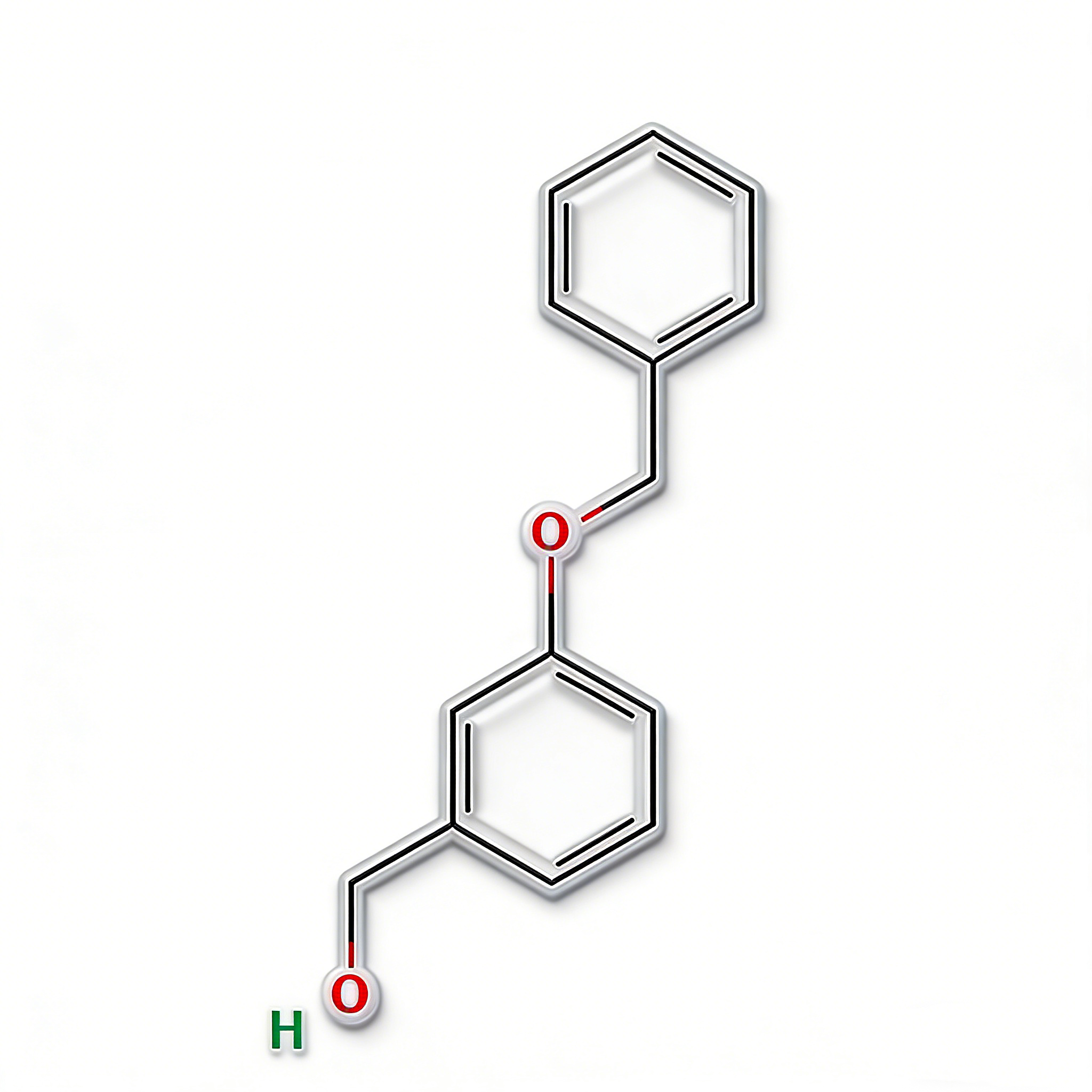
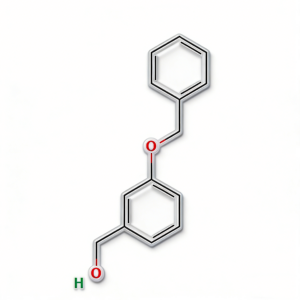
3-Benzyloxybenzyl alcohol
|
|
CAS Number
|
1700-30-7
|
|
Chinese Name
|
3-苄氧基苯甲醇
|
|
Synonyms
|
m-(Benzyloxy)benzyl alcohol; 1-(Hydroxymethyl)-3-(phenylmethoxy)benzene; Benzyl 3-(hydroxymethyl)phenyl ether; 3-Benzyloxy-α-hydroxytoluene; α-Hydroxy-3-benzyloxytoluene; 3-(Benzyloxy)benzyl alcohol; 3-Phenylmethoxybenzyl alcohol
|
|
Chinese Synonyms
|
间苄氧基苯甲醇; 3-(苄氧基)苯甲醇; 3-苄氧基苄醇
|
|
Molecular Formula
|
C₁₄H₁₄O₂
|
|
Molecular Weight
|
214.26 g/mol
|
|
Purity
|
≥ 98%
|
|
Product Category
|
Pharmaceutical Intermediates / Benzene Derivatives / Benzyl Alcohols
|
|
Appearance
|
Colorless to Light Yellow Liquid
|
|
Storage Conditions
|
Store in a cool, dry, well-ventilated area away from light and moisture. Keep container tightly closed.
|
|
Shelf Life
|
24 months under recommended storage conditions
|
|
Packaging
|
25kg/drum, 50kg/drum, or customized according to customer requirements
|
|
Applications
|
Pharmaceutical intermediates, organic synthesis, API manufacturing, ether synthesis, benzyl protection chemistry
|
|
Reactivity
|
Suitable for oxidation reactions, esterification, etherification, and nucleophilic substitution reactions
|